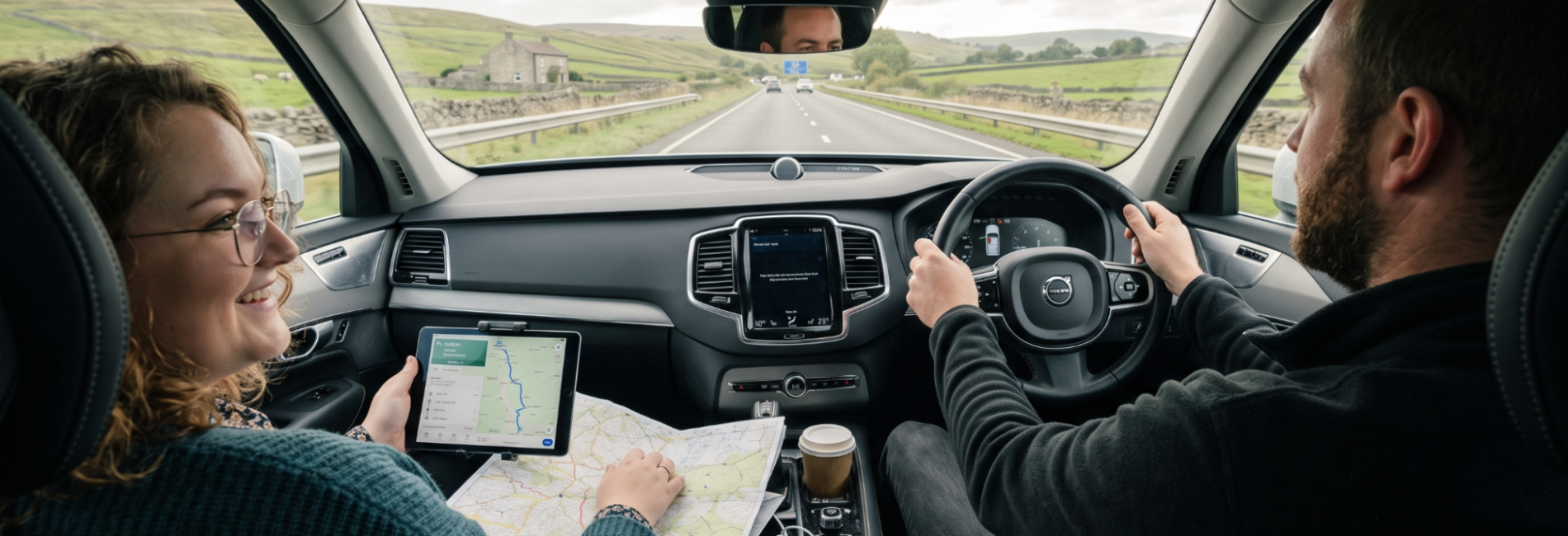
A busy schedule usually does not fall apart because of one tough meeting. Problems often begin before arrival, like when the next stop is farther away than expected and the coffee has gone cold. Booking multiple stops might seem easy at first: a few meetings, a client lunch, and a trip back to the office. However, unexpected roadworks, parking apps that fail, and constant phone notifications can quickly disrupt the day.
According to Edriving, UK drivers spent an average of 59 hours stuck in traffic last year. This cost each driver £822, adding up to £11 billion for the country. These numbers are significant because every hour lost in traffic takes time away from work, family, or simply resting. Effective travel planning means protecting that time and avoiding the minor annoyances that gradually waste it.
Why Multi-Stop Days Drain Energy
Every stop adds small tasks: finding parking, deciding the fastest route, and replying to messages while waiting at lights. These tasks may seem small on their own. The noise of a bus door, the frustration of a re-routed map, and the hassle of a full car parking lot quietly build up throughout the day.
If you have five or six stops, it makes the day feel much longer than the hours on the clock. Professionals often blame tiredness on the meetings themselves, but the actual drain comes from the gaps between them. Constant decisions about routes, timing, and parking take a toll that no one plans for properly.
Practical Steps To Streamline Your Multi-Stop Journeys
Here are the five practical steps that will help you streamline your multi-stop journeys:
Step 1: Build A Realistic Daily Route
It’s more time-efficient to group appointments by location before you book them, rather than relying on app shortcuts. Driving all over town in the morning wastes the benefit of starting early. Plan your day by location first, then organise your calendar around that route. Also, leave some additional time between appointments. Those ten minutes can be really useful and prevent a single late arrival from ruining your whole afternoon.
Step 2: Let Technology Reduce The Guesswork
Apps that show traffic in real time like Waze and shared calendars can help reduce the mental effort involved in planning, but they do not solve everything. This administrative burden is widespread; a 2026 Ricoh report found that office workers in the UK spend almost 15 hours each week on administrative tasks. This amounts to nearly two full workdays. Much of this time is spent on minor logistical choices instead of important work. By automating the simple parts of planning a journey, people can focus more on decisions that require human judgment.
Step 3: Hand The Driving To Specialists
You don’t always need a professional driver for every stop. However, on your busier days, a professional eliminates the driving chore. When your itinerary involves multiple locations, letting professionals manage the logistics keeps the entire day running smoothly.
Relying on established transport services such as Zedcarz ensures complex schedules move seamlessly between appointments, keeping a packed itinerary running on time. This allows a professional to look over notes, make a phone call, or even relax for a bit between meetings instead of searching for a parking spot.
Step 4: Protect Time For Real Recovery
If your schedule is packed too tightly, it can quickly become overwhelming. Scheduling short breaks between tasks, even just five minutes to enjoy a good cup of coffee instead of gulping down a lukewarm one, can make a big difference in how your day feels. The aim isn’t to cram more activities into your day. Instead, it’s about being able to approach each task with the same level of focus you had before, rather than feeling scattered and rushed from moving between things.
Step 5: Keep A Backup Plan Ready
Even the best plans can face delays, like a late train, a closed road, or a client running behind. As soon as you see a delay is likely, send a quick update instead of waiting until the meeting time has passed. Keeping one flexible time slot in your day, preferably near lunch, allows you to manage a late start without pushing back later appointments. This simple habit makes last-minute changes easier to handle.
For a visual representation, explore this guide that shows how to plan a multi-stop route in Google Maps to optimise travel sequences and manage journey changes efficiently.
Conclusion
To travel to many places efficiently, plan your route before leaving, delegate tasks when possible, and schedule short breaks to rest. These strategies are far more effective for boosting productivity than any single time-saving tip. By planning ahead and reducing time on the road, the schedule becomes far more manageable. Review your calendar for tomorrow, and you will notice a real difference by the end of the week. For more insights, you can contact us at Range Over now.
